A 93-year-old, globally recognized FMCG giant needed its rural distribution network to run on a mobile app, but the app wasn’t sticking. Rural women entrepreneurs, who sell the company’s products door-to-door across India, found it confusing and disconnected from how they actually worked, and adoption stalled. Net Solutions was brought in to find out why, and to rebuild the platform around the people who depended on it every day.
We began not in a conference room but in the villages: living alongside entrepreneurs and sales coordinators, watching how they worked, and mapping every friction point in their day. That research shaped a phased rebuild of the mobile app and a new companion web ecosystem connecting entrepreneurs, distributors, and administrators for the first time.
The result is now the operational backbone of a nationwide livelihood program: a platform live across 22 Indian states, used daily by 200,000+ women entrepreneurs, who earn on average 40% more than typical local incomes.
At a Glance:
Entrepreneurs powered: 200,000+
States live: 22 Indian states; Reach at National Scale.
Average income increase: 40% above typical local income
The Challenge
The company had the reputation and the mandate for digital transformation. What it didn’t have was a tool its own field network wanted to use.
Limited User Engagement
Entrepreneurs and sales coordinators were disengaged from the app, putting a digital initiative the company considered strategically vital at risk.
An App That Didn’t Fit Its Users
Built without accounting for entrepreneurs’ daily routines or digital literacy, the app’s confusing navigation and cluttered layout turned routine tasks into error-prone chores requiring constant hand-holding and retraining.
A Disconnected System
The app only served entrepreneurs. Distributors had no way to see or reconcile entrepreneur orders against their own stock, so deliveries were frequently wrong and hard to trace. There was no web platform for admins or distributors to process orders, track sales, or report, just one isolated app, not a working system.
It was clear this needed more than a UI refresh. It needed a ground-up rethink, grounded in how rural women entrepreneurs actually live and work.
Our Approach
Net Solutions’ product owner, UX/UI analyst, and technical architect traveled into rural areas alongside the client’s own staff, staying with the communities for several days to run one-on-one interviews and ethnographic research with entrepreneurs and sales coordinators, studying their habits, culture, and constraints firsthand.
We paired that field research with a technical and usability audit of the existing app, analysis of usage data to pinpoint exact drop-off points, and end-to-end journey mapping across every user role, from rural entrepreneurs to regional sales promoters to regional distributors. Together, this shaped a clear, prioritized roadmap.
Rather than a risky big-bang rebuild, we agreed on an MVP with the client and rolled out the platform in two phases, giving the business continuous, low-risk progress and real user feedback between each release.
The Solution
A connected system built for how the business actually runs, from the app entrepreneurs use every day to the tools distributors and admins need to keep it running smoothly.
01.
One Connected System for Entrepreneurs, Distributors, and Admins
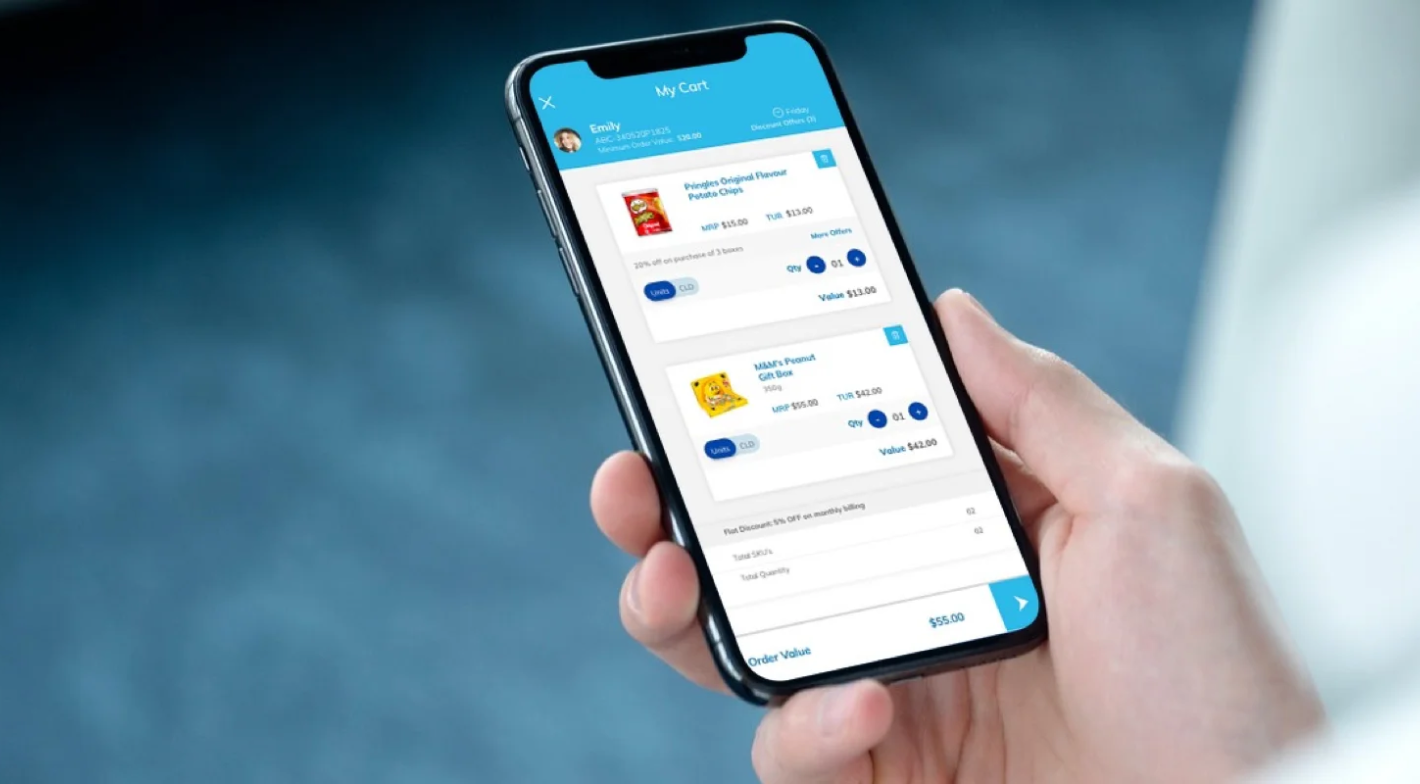
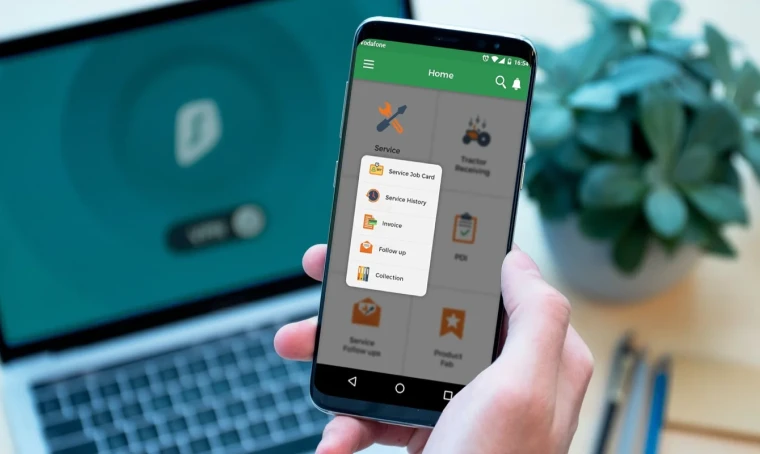
We rebuilt the mobile app entrepreneurs use for daily ordering and re-architected the backend for scalability, reliability, and speed. Alongside it, we launched a centralized web portal for administrators and distributors to manage orders, monitor sales, and generate reports, giving every participant in the network synchronized, real-time data for the first time.
02.
Every Feature the Business Runs On
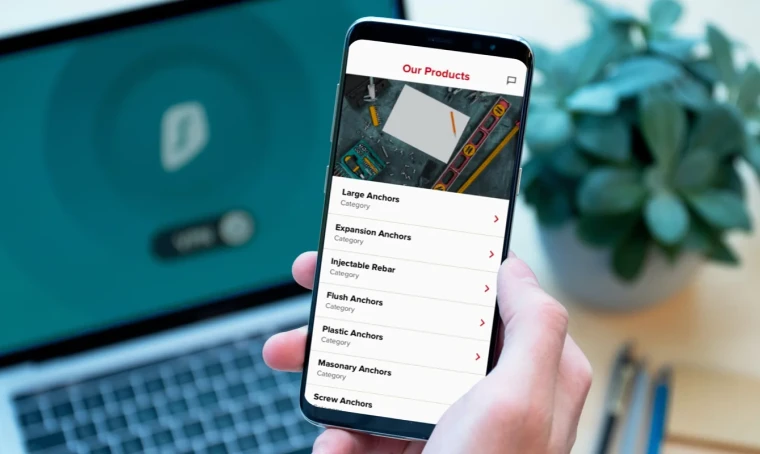
Order booking and processing, supply and stock tracking, returns and cancellations, billing and invoicing, payment and credit tracking, product catalog management, discounts and promotions, taxation, and reporting: a complete operational toolkit, not just a storefront.
03.
A Rollout Built Around Real Feedback
Phase 1 delivered the MVP. We then went back into the field, running training sessions and gathering direct feedback in locations including Bihar and Maharashtra, and used those ground-level insights to shape Phase 2’s feature set and refinements.
04.
Built to Grow Beyond One Vendor
As the platform stabilized, we enabled a multi-vendor catalog, letting the company extend its network to partners across health, hygiene, pharma, and FMCG, so entrepreneurs could combine offerings from multiple vendors to better match local demand.
The Impact
Higher Adoption
Inconsistent, reluctant use gave way to steady, daily engagement across the entire network, both entrepreneurs and sales coordinators.
Accurate, Reliable Operations
Order processing, inventory tracking, and order matching became dramatically more accurate. Distributors can now see, consolidate, and approve entrepreneur orders against their own stock in real time, with automatic alerts the moment stock runs low, eliminating the manual errors and mismatched records of the old system.
Stronger Entrepreneur Support
With real-time visibility into ground-level activity, sales coordinators can step in the moment an entrepreneur struggles, turning faster support directly into higher sales.
Expanded Earning Potential
A multi-vendor catalog lets entrepreneurs offer products from multiple partner categories, not just one company’s range, better matching what their local customers actually want to buy.
Why Net Solutions?
We Design Around Real Users, Not Guesses
Our team lived alongside the entrepreneurs we built for. Every decision, from the app to the distributor web portal, was shaped by their education level, comfort with smartphones, and daily working reality, not assumptions made from a distance.
One System, Not a Patchwork of Apps
We didn’t build an app in isolation. We built the connected system around it: entrepreneurs, sales coordinators, distributors, and admins on one platform. That connection is what made the impact possible.
Proactive, Not Just Reactive
We didn’t wait to be told what to fix. From field research to a multi-vendor catalog, we kept surfacing ideas that pushed the program past its early adoption problems.
A Partner for the Long Run
Our involvement didn’t end at Phase 1 launch. We stayed through training visits, feedback rounds, and Phase 2 upgrades, and continue to support the platform today.
FAQs
What problem did Net Solutions solve for this FMCG company?
A mobile app built for rural women entrepreneurs had very low adoption because it didn’t match their digital literacy or daily workflow, and it wasn’t connected to distributor or admin systems, causing delivery and inventory errors.
How did Net Solutions fix the adoption problem?
By starting with in-field ethnographic research, living alongside entrepreneurs, then rebuilding the app and adding a connected web portal for distributors and admins, rolled out in two feedback-driven phases.
What results did the platform achieve?
The platform now powers 200,000+ women entrepreneurs across 22 Indian states, who earn on average 40% more than typical local incomes, alongside major gains in order accuracy and distributor reliability.
Lets Talk
Ready to Build a Platform People Actually Use?
From field research to full-scale rollout, we design around real users and measure success in adoption, not just launches. Tell us about your project.
Related Success Stories
Results matter. Discover how our customized solutions have delivered measurable business outcomes for clients across various industries. Each case study highlights the strategic impact of our work, turning challenges into opportunities for growth.
Ask Sol anything about digital products, AI, engineering, or growth, and get answers drawn from years of Net Solutions thinking and experience.
Our assistant helps you find content on our website. By asking a question, you acknowledge that we will process your data in accordance with our Privacy Policy, and consent to anonymous tracking of your conversation to help us improve the experience. Please avoid sharing personal or sensitive information, and close this page if you do not agree to these terms. While we strive for accuracy, AI responses may be inaccurate.By chatting you accept our Privacy Policy and anonymous analytics. Do not share sensitive information. AI answers may be inaccurate.